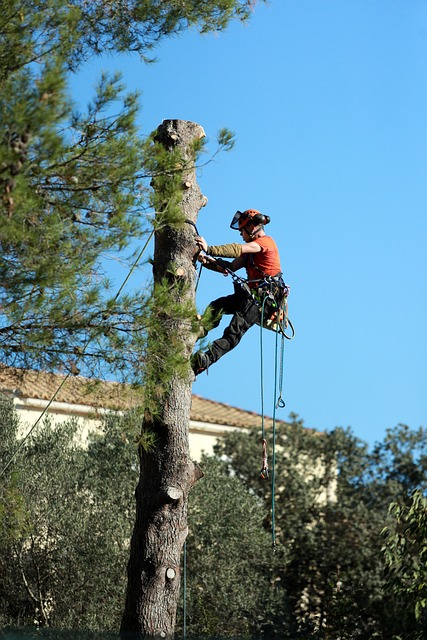
Tree removal services in Westfield, MA are crucial for maintaining ecological balance and preventing pest infestations by removing dead trees that serve as ideal breeding grounds for harmful insects like termites and carpenter ants. These services not only mitigate the risk of structural damage to properties but also protect the health of surrounding vegetation. Professional arborists from "Tree Removal Westfield MA" assess tree conditions, ensure safe removal, and prevent stumps from becoming new nesting sites for pests. After tree felling, it's important to dispose of debris properly and remove stumps to avoid attracting beetles and wood-boring insects. Post-removal, ongoing monitoring is essential along with strategic landscaping choices like using mulch and planting suitable vegetation to maintain a pest-free environment. Integrating these proactive measures with Tree Removal Westfield MA's maintenance services helps landowners in the area ensure their properties remain healthy and secure from pests.
In the vibrant town of Westfield, MA, maintaining a healthy and pest-free landscape is key to both environmental well-being and property protection. This article delves into the critical connection between dead trees, stumps, and the likelihood of insect infestations. Understanding this link is essential for homeowners and arborists alike, as it underscores the importance of timely tree removal services in Westfield, MA, as a preventive measure against pests. We will explore the various common pests that thrive in decaying wood, provide a comprehensive guide for safe tree and stump removal, and highlight the long-term insect management benefits of professional tree removal services. By fostering awareness and action, we aim to enhance the health and beauty of Westfield’s landscapes while safeguarding against potential infestations.
- Understanding the Link Between Dead Trees, Stumps, and Insect Infestations
- The Role of Tree Removal Services in Westfield, MA, in Pest Prevention
- Identifying Common Pests Attracted to Decaying Trees and Stumps
- Step-by-Step Guide on How to Safely Remove Dead Trees and Stumps
- Benefits of Professional Tree Removal for Healthy Landscapes in Westfield, MA
- Long-Term Insect Management After Tree and Stump Removal
Understanding the Link Between Dead Trees, Stumps, and Insect Infestations
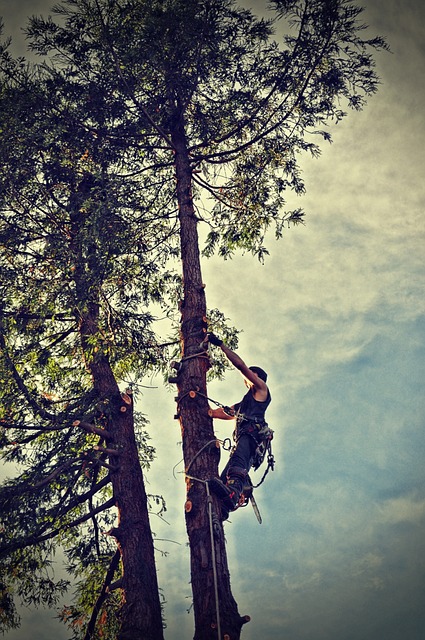
Dead trees and stumps can serve as ideal breeding grounds for a variety of insects, many of which may become pests in your garden or surrounding environment. Understanding this link is crucial for maintaining healthy vegetation and protecting your property from infestations. When a tree dies, it stops producing the natural chemicals that repel certain insect species. These chemicals, often undervalued until their absence is felt, are part of the tree’s defense mechanism against invasive pests. Without this barrier, insects that might otherwise be kept at bay find an inviting habitat in the decaying wood. Over time, these insects can multiply and spread, potentially leading to larger infestations that may affect neighboring live trees and plants.
Tree removal services like those in Westfield, MA, offer a proactive solution to this issue. By removing dead trees and stumps promptly, homeowners and land managers can significantly reduce the risk of insect infestations. These professionals not only remove the physical structure but also ensure that the debris is processed in a way that minimizes the chance of pests taking up residence elsewhere on the property. This preventative approach to tree care is an important aspect of integrated pest management, helping to keep ecosystems balanced and properties free from the damage that insect infestations can cause.
The Role of Tree Removal Services in Westfield, MA, in Pest Prevention
tree removal services in Westfield, Massachusetts, play a pivotal role in maintaining the health and safety of local ecosystems, particularly in the context of pest prevention. Dead or dying trees can serve as ideal breeding grounds for various insect species, many of which can pose significant risks to nearby flora and fauna. Professional tree removal teams, like those offering services under “Tree Removal Westfield MA,” are adept at identifying and safely removing such trees before they become problematic. By doing so, they help eliminate the habitats that pests depend on, thus reducing the likelihood of infestations in both residential and public spaces. These experts not only enhance the aesthetic appeal of the landscape but also contribute to its long-term ecological balance by ensuring that potential pest hotspots are removed proactively. This preventative approach is crucial for safeguarding the health of trees and protecting homes from invasive species that could otherwise compromise structural integrity and pose health risks to humans and pets alike.
Identifying Common Pests Attracted to Decaying Trees and Stumps

Dead trees and stumps can serve as breeding grounds for a variety of pests, many of which can pose challenges to surrounding vegetation and even property structures. In Westfield, MA, where the diverse ecosystem supports a range of insect species, understanding the common pests attracted to decaying organic matter is crucial for effective tree removal practices. Among these pests, termites and carpenter ants are particularly notable. Termites, such as subterranean termites, thrive in moist, decayed wood and can cause significant structural damage if left unchecked. Carpenter ants, on the other hand, excavate wood for nesting, often favoring damp or decaying timber. Both species can compromise the integrity of trees and stumps, making professional tree removal services from Westfield, MA essential for prevention and control. Additionally, decaying trees can attract beetles, including the emerald ash borer, which has been a significant concern in the region. These beetles not only infest ash trees but can also spread to other species, leading to widespread tree mortality. By removing dead trees promptly, property owners in Westfield can reduce the risk of these and other pests taking hold, thereby preserving their landscapes and protecting their properties from potential insect infestations. Engaging local arborists who specialize in tree removal in Westfield, MA, is a proactive approach to maintaining a healthy and pest-free environment.
Step-by-Step Guide on How to Safely Remove Dead Trees and Stumps
When dealing with dead trees or stumps on your property, it’s crucial to address them promptly to prevent insect infestations that can threaten the health of your living trees and overall landscape. Tree removal experts in Westfield, MA, emphasize a step-by-step approach to ensure safety and effectiveness.
Begin by assessing the tree’s condition and size. A visual inspection will help determine if the tree is indeed dead and whether it poses an immediate hazard. If the tree is in a dangerous state, it’s advisable to contact professional arborists immediately. They have the expertise and equipment necessary to execute a safe removal, minimizing any potential damage to your property or harm to anyone involved. For trees that are not dangerously unstable, the process starts with cutting the tree down in sections using a chainsaw. This is a delicate operation that should only be performed by trained individuals due to the high risk of injury and equipment damage. After felling the tree, the stump remains. Stump removal can be achieved through grinding, which involves using a machine that grinds the stump below the ground level, allowing for easy soil replacement and new planting. This step is particularly important as it prevents the stump from becoming a breeding ground for pests like carpenter ants or termites, which can later affect other trees on your property.
In Westfield, MA, adhering to local regulations and ensuring environmental safety during tree removal is essential. Professionals will properly dispose of the debris and handle any hazardous materials, such as pesticides that may have been used previously. By following a methodical approach, you can effectively manage dead trees and stumps, thus safeguarding your property from insect infestations and promoting a healthy ecosystem.
Benefits of Professional Tree Removal for Healthy Landscapes in Westfield, MA

In Westfield, MA, maintaining a healthy and vibrant landscape is paramount for both aesthetic and ecological reasons. Professional tree removal services play a crucial role in this upkeep. Engaging experts for Tree Removal Westfield MA ensures that dead trees and stumps are efficiently and safely cleared from your property. This not only enhances the visual appeal of your outdoor spaces but also prevents potential hazards that come with fallen debris during storms or high winds. Moreover, removing dying trees is essential to maintain the integrity of your landscape, as they can serve as a breeding ground for pests and diseases, which could spread to neighboring trees.
Choosing professional arborists for Tree Removal Westfield MA offers additional benefits beyond safety and aesthetics. These experts are trained to assess tree health accurately and recommend the best course of action to preserve the natural balance of your landscape. They employ specialized techniques to minimize environmental disturbance, ensuring that the surrounding ecosystem remains undisturbed. Additionally, by removing unsightly stumps and deadwood, these professionals facilitate a more dynamic and healthy environment for new growth to thrive, which contributes to the overall vitality of your property’s natural landscape. With their expertise, Tree Removal Westfield MA becomes a strategic investment in maintaining a resilient and beautiful outdoor space.
Long-Term Insect Management After Tree and Stump Removal

Long-term insect management post-tree and stump removal is a multifaceted approach that involves careful planning and execution. In the immediate aftermath of tree removal, conducted by professionals like those at Tree Removal Westfield MA, the remaining debris must be properly disposed of to prevent decaying matter from serving as a breeding ground for insects. Stumps, in particular, can be a hotspot for beetles and other wood-boring insects if left unattended; thus, it’s advisable to grind them down below the soil surface or remove them entirely. This process not only eliminates potential hiding places for pests but also deters future infestations by removing the resources they require to thrive.
Furthermore, the area where trees once stood should be monitored and maintained regularly to ensure that no new growth sprouts from remaining roots, which could provide similar conditions for insects to re-emerge. Landscaping practices post-removal, such as using mulch or planting vegetation recommended by arborists, can help mitigate the risk of infestations. Additionally, maintaining a buffer zone around the perimeter of the property can act as a natural barrier, deterring pests from approaching too closely. By adopting these proactive measures and engaging with Tree Removal Westfield MA for ongoing maintenance services, homeowners and land managers can significantly reduce the likelihood of insect infestations and maintain a healthy, pest-free environment.
Tree removal services play a pivotal role in maintaining healthy landscapes within Westfield, MA, by addressing the issue of dead trees and stumps that can become breeding grounds for pests. By understanding the intricate connection between these decaying remnants and insect infestations, residents and property owners in Westfield are better equipped to take proactive measures against potential infestations. The step-by-step guidance provided for safe and effective removal of such biotic hazards underscores the importance of this practice for long-term insect management. Engaging professional tree removal services in Westfield, MA, is not just a matter of landscape hygiene but a strategic approach to preserving environmental health and safety. This comprehensive approach to pest prevention through tree care not only safeguards properties but also enhances the overall aesthetic appeal of the community’s green spaces.